I don’t trust a cafe at its peak.
When every seat is taken, when cups stack faster than they’re cleared, when the room hums with conversation—it feels like a performance. Efficient. Alive. But slightly dishonest.
I wait for it to thin out.
When the Room Starts to Breathe
There’s a moment: usually between rushes, when something shifts.
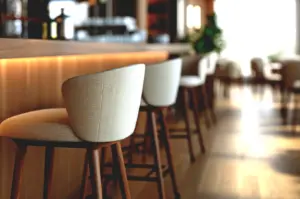
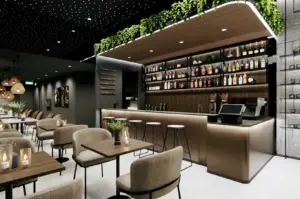
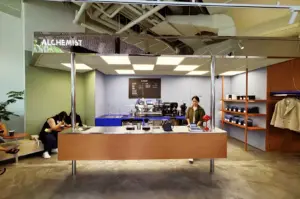
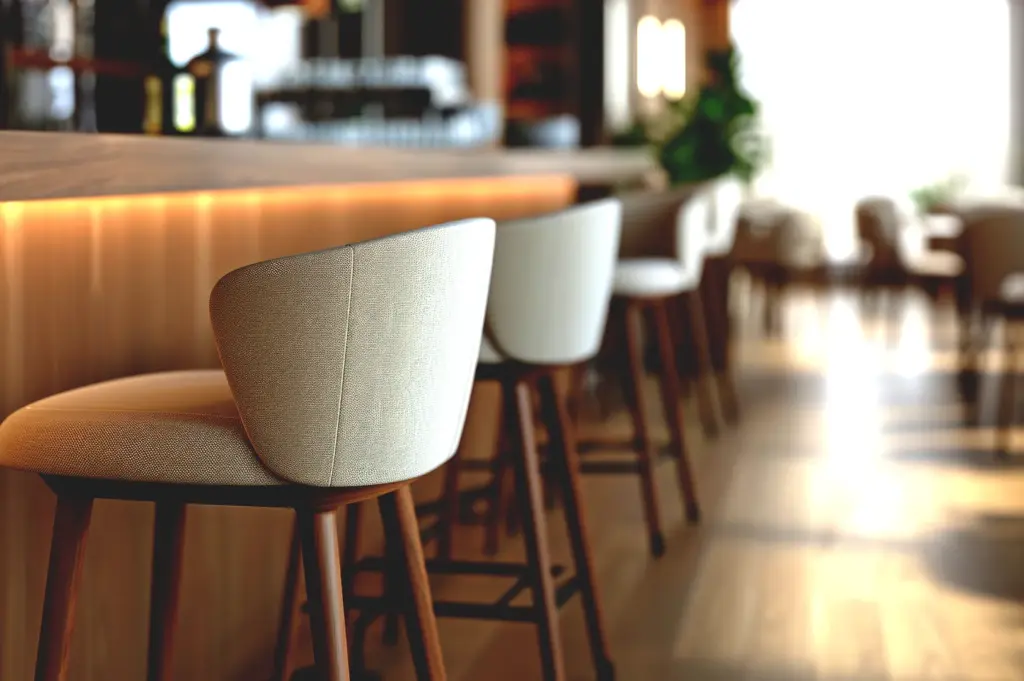
A table empties. Then another. The line disappears. The barista slows down, just slightly. The machine still hisses, but with space between.
That’s when the cafe exhales.
You begin to hear the room itself, the low hum of equipment, the soft drag of a chair, the quiet rhythm of someone lingering longer than they should. The space is no longer reacting. It’s revealing.
What Presence Hides
Crowds don’t just fill a cafe. They overwrite it.
They dictate where you look, how long you stay, what feels important. You follow their energy without realizing it.
But when people leave, the imposed rhythm disappears.
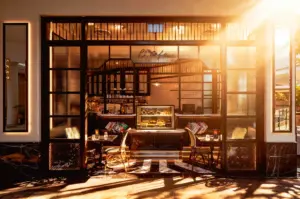
Light settles differently. Shadows stretch uninterrupted. Corners regain their weight. It’s the same reason I keep drifting toward the spaces people ignore — the ones I wrote about here, where the room quietly holds its real shape.
The cafe stops trying to serve.
It starts existing.
How to Read a Cafe Properly
If you want to understand a space, don’t measure it at full capacity.
Stay past it.
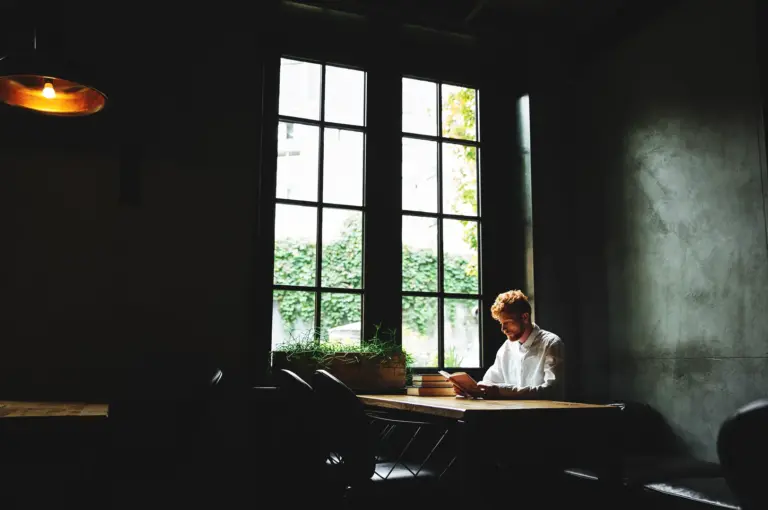
Let the room empty around you. Resist the urge to leave when it feels “over.” Sit through the in-between. Watch what remains when activity fades.
That’s the version most people never see.
I don’t come for the rush.
I come for the moment after—when the cafe forgets it’s being watched, and finally tells the truth.
You start to see cafes differently — the way I quietly document them at Cafe Photographer.