The coffee was fine.
That’s the strange part.
Single-origin. Balanced acidity. Clean finish. The kind of cup people write tasting notes about as if they’re reviewing wine. I drank it slowly, nodded at the right moments, and barely remember it now.
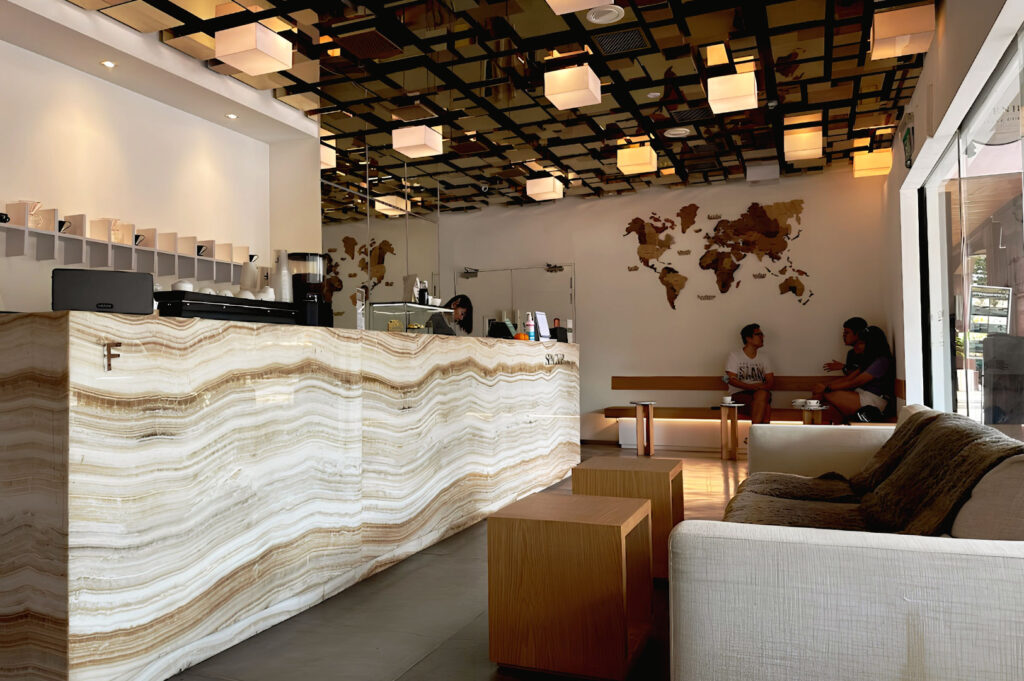
What I remember is the room.
Fahrenheit Coffee carries that same shift, where the cup fades slightly and the room becomes the thing you keep looking at.
When the Space Becomes the Subject
Some cafes stop functioning as cafes after a while.
They become weather.
You notice the way light settles across unfinished wood. The distance between tables. The silence that forms near the back wall. Even the movement of staff starts feeling choreographed—not intentionally, but naturally, like repetition has polished everything smooth.
The drink becomes secondary.
Not irrelevant. Just no longer the reason you stay.
The Lie We Tell About Cafes
People like to say they go for the coffee.
Most don’t.
They go for permission—to slow down, to disappear for an hour, to feel temporarily separated from the outside world. Coffee is simply the socially acceptable reason to occupy a seat without explanation.
The best cafes understand this instinctively.
That’s why atmosphere matters more than flavor after the first sip.
Learning to Notice the Room
I think photographers understand this faster than most people.
You stop chasing the cup and start studying shadows instead. Reflections. Empty chairs. The way a space holds silence between conversations.
A good cafe doesn’t just serve coffee.
It controls emotional temperature.
And once you notice that, it becomes impossible to experience cafes the same way again.
I still order coffee every time.
But lately, it feels more like an entrance fee than the main event.
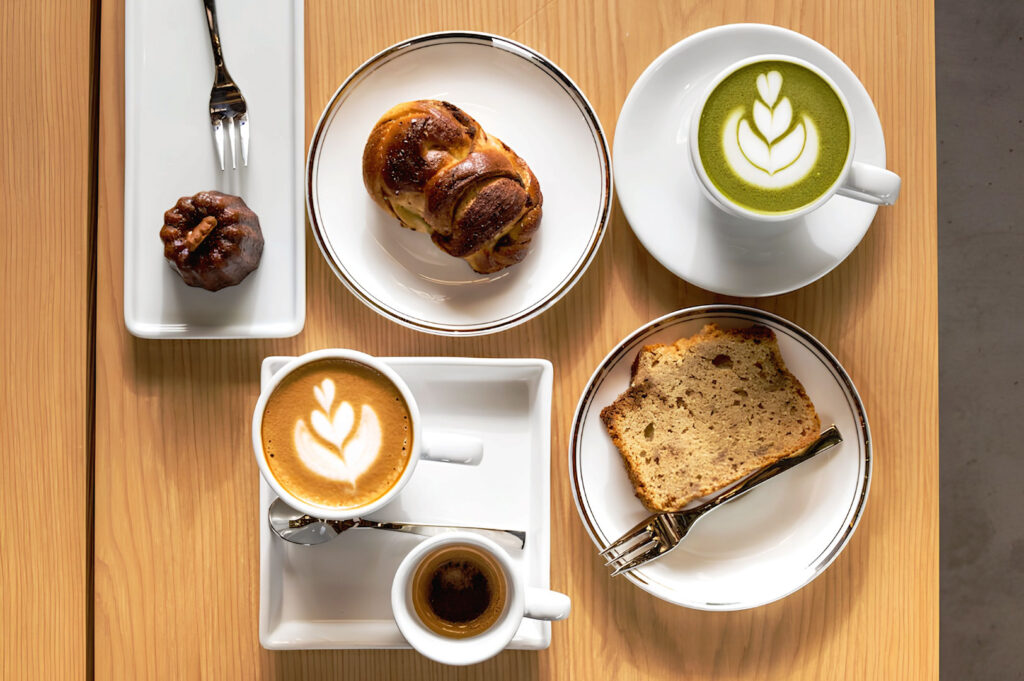
More rooms like this are observed at Cafe Photographer.