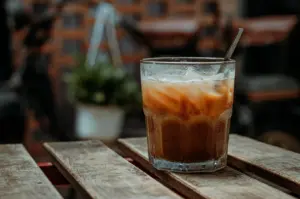
Ice is the most honest thing in an iced coffee.
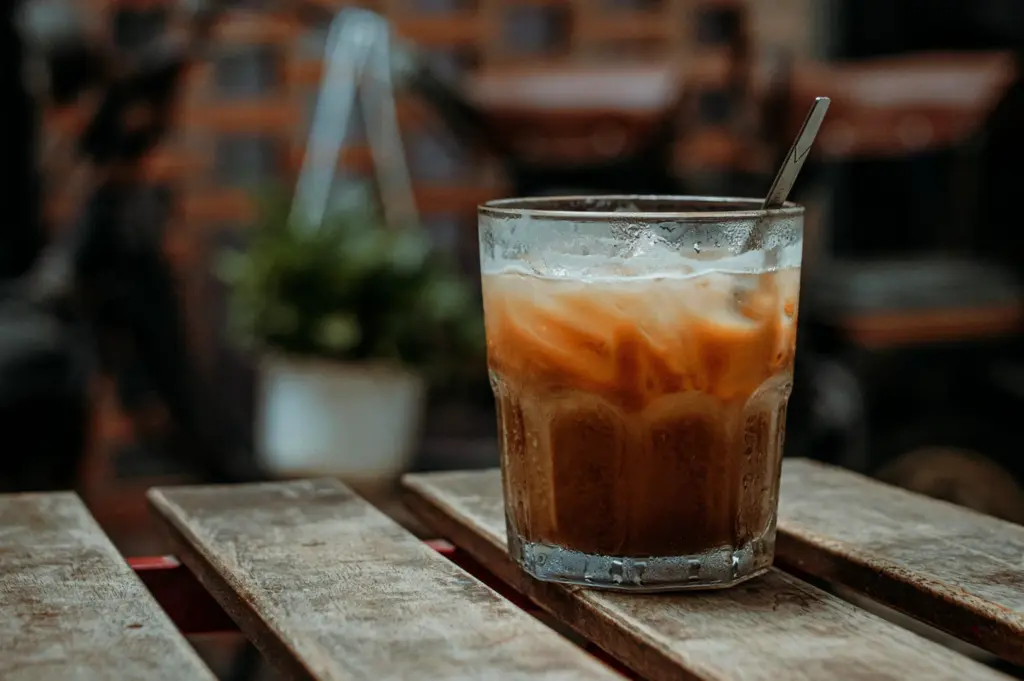
It does not care about my photograph. It does not hold its shape for the frame. It begins disappearing the moment the drink arrives, quietly ruining the version everyone thinks they ordered.
I like that.
Time inside the glass
An iced coffee looks still at first.
Dark liquid. Hard cubes. A clean surface catching light. But if you stay long enough, the drink starts changing in front of you. The edges soften. The color weakens. Water enters the coffee like a slow confession.
Dilution is usually treated as damage.
I see it as proof that time is working.
The glass becomes a small clock, not with numbers, but with melting, separation, and temperature. Every minute leaves evidence.
A receipt carries that same quiet proof of time, holding onto the table long after the moment around it has already moved on.
Waiting changes the drink
As a photographer, I am drawn to the moment after freshness begins to fade.
The untouched drink feels too certain. The melting one feels more human. It has been waited beside. Looked at. Ignored. Returned to.
That delay matters.
It reminds me that cafes are not only about taste. They are also about duration, about the permission to sit while something slowly becomes less perfect.
After the cold begins to leave
I don’t always photograph the first version.
Sometimes I wait until the ice gives up.
By then, the coffee has stopped posing. It has become a record of how long I stayed.