The sign that doesn’t match the laughter
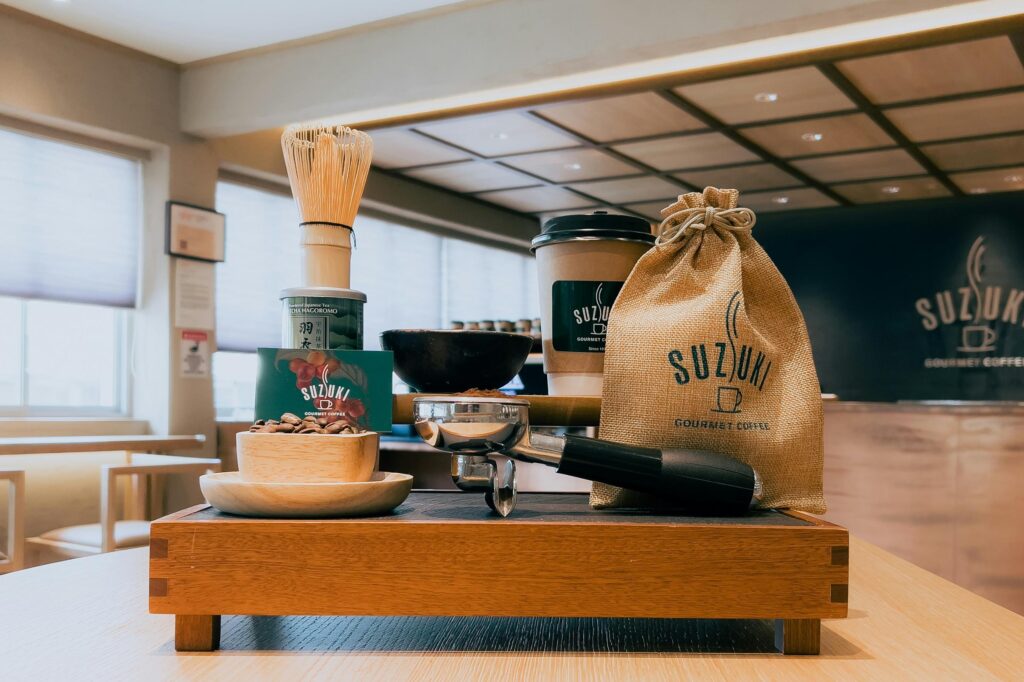
The facade still reads like a place you’d come to fix something—bold characters, old institutional confidence. Then you look past it and catch movement: people leaning in, a table mid-conversation, that “we’re staying awhile” posture. The contrast is the hook, and it’s why cameras stop here.
Inside: warmth, clutter, and permission
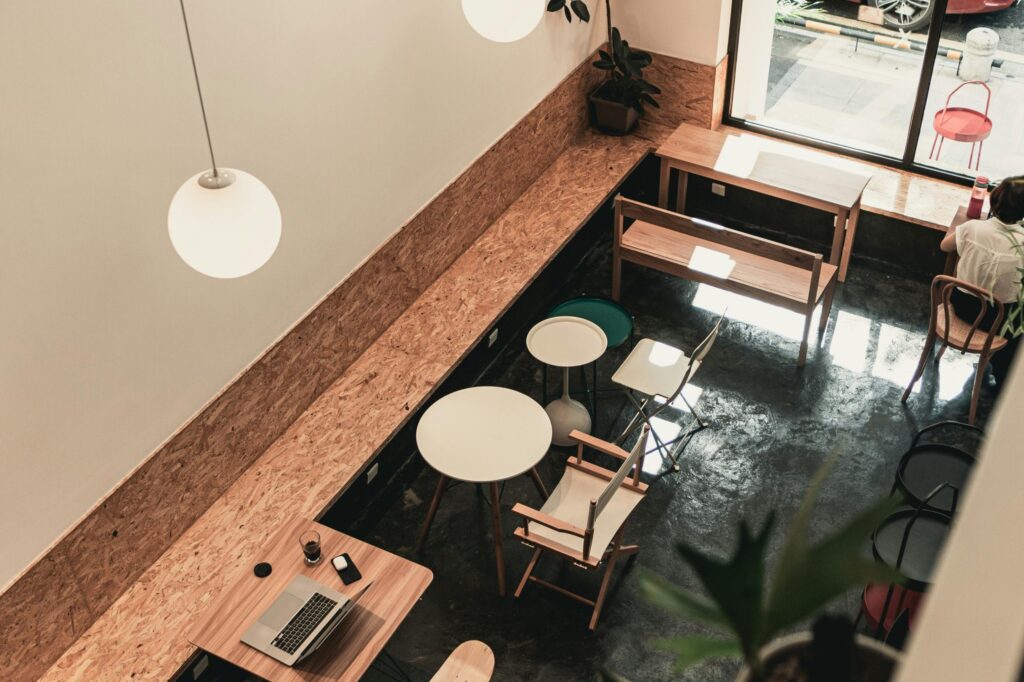
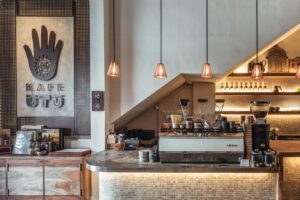
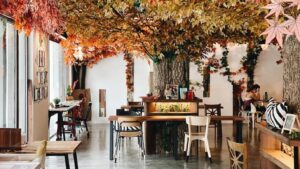
The room isn’t trying to be minimal. Bulbs hang low, mismatched furniture holds its ground, and the space feels built for groups that talk with their hands. Reviews keep circling back to atmosphere and friendliness—this is the part you can photograph: the comfortable noise, the casual energy, the sense that the room is hosting you.
The long aisle to the back (and the pause at the middle)
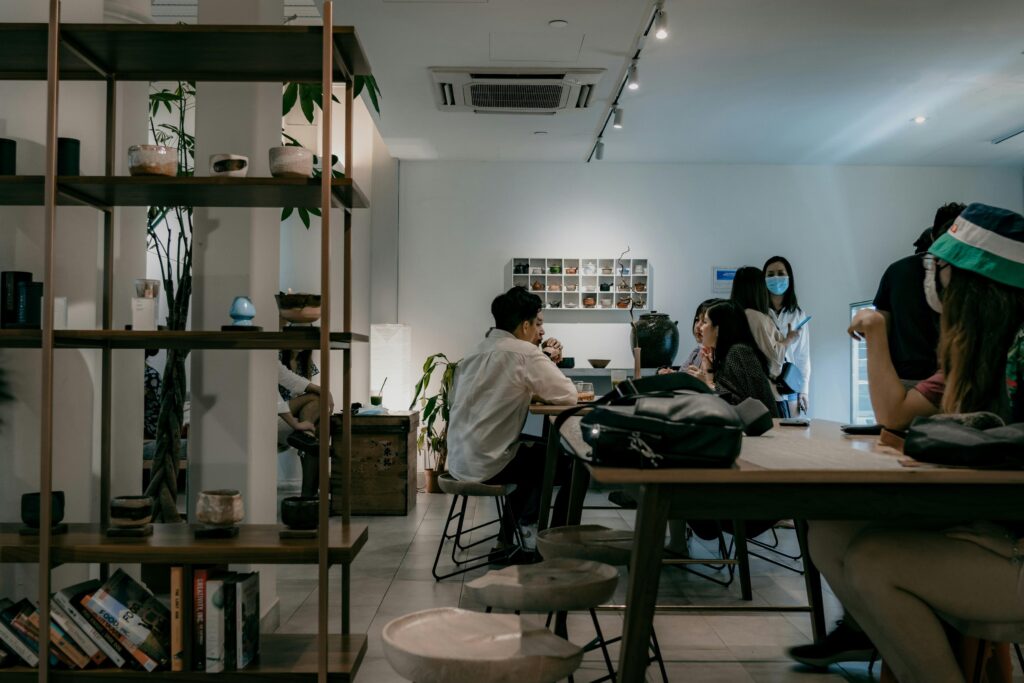
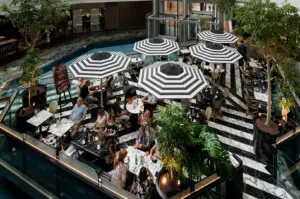
Shoot straight down the centre and the place gives you depth for free—tables like beats, lights like punctuation. People sit in clusters, but there are always a few solo diners parked quietly, watching the room instead of their phones. This sensitivity to layout and attention echoes ideas explored in architecture as discipline, where space itself dictates behavior rather than decoration. More work along this line lives at cafephotographer.com
Daylight at the entrance, shadows behind it
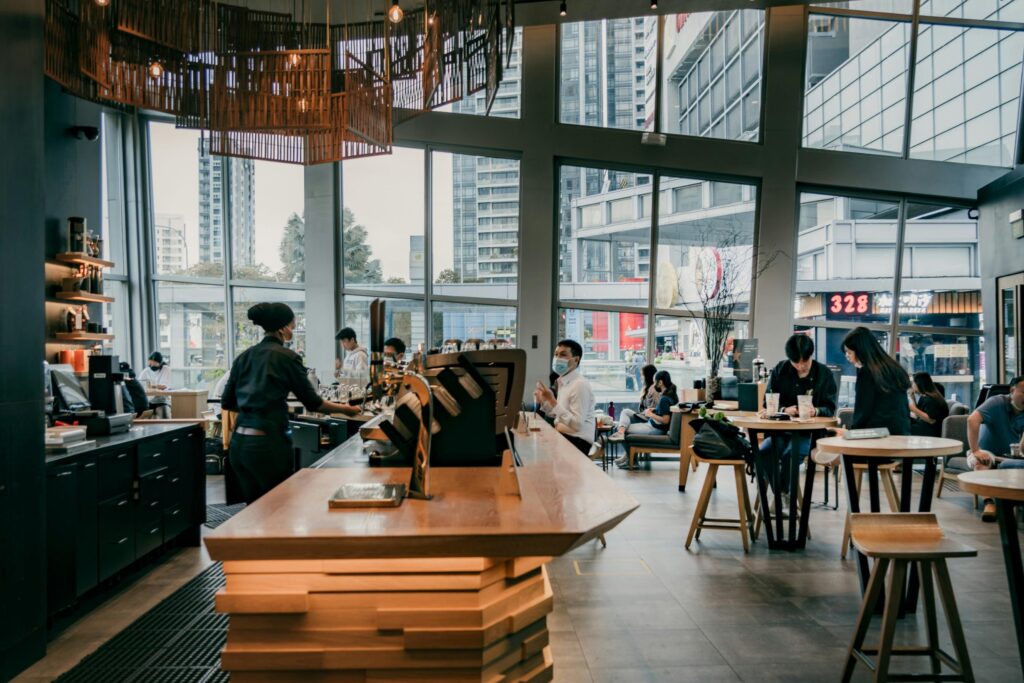
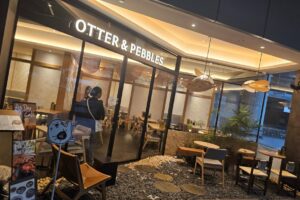
When the front doors stay open, daylight spills in and the whole cafe becomes a stage: street brightness in the frame, amber interior behind it. Food comes and goes, but what stays is the mood—history outside, comfort inside, and a crowd that acts like they’ve been here before.