Most people choose light.
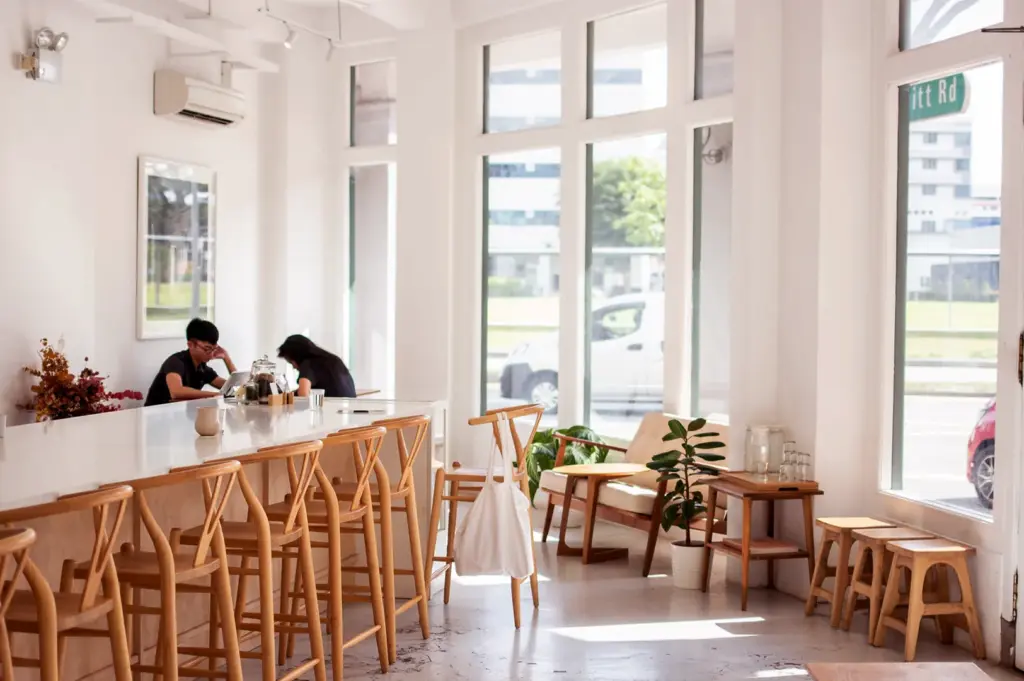
They sit where they can be seen—by the barista, by the window, by each other. It’s instinct. Light feels safe. It reassures you that you belong.
I don’t trust those seats.
Where the Cafe Actually Lives
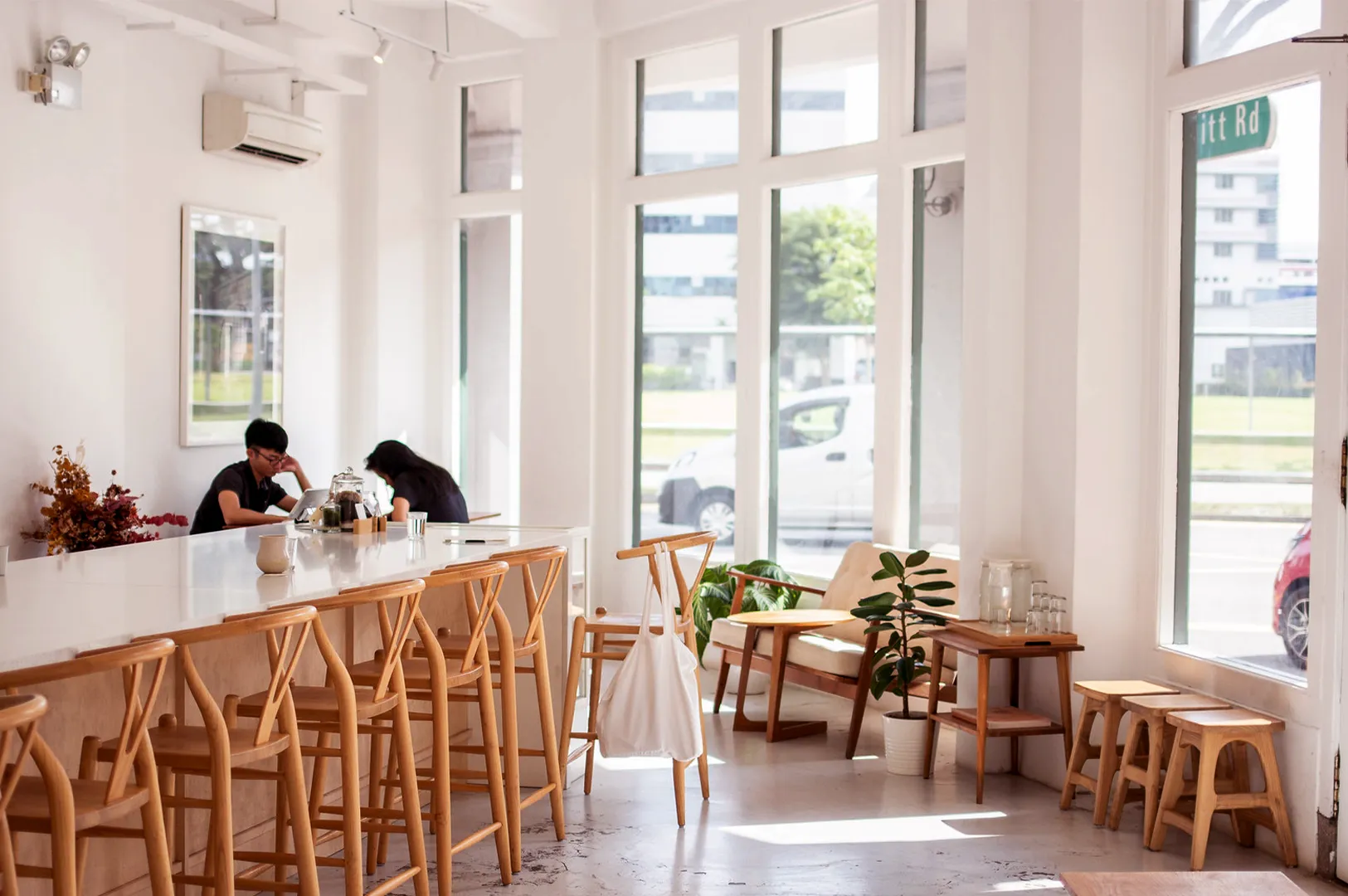
The real cafe doesn’t happen in the center. It settles in the edges, paces like Alchemist: The Mill.
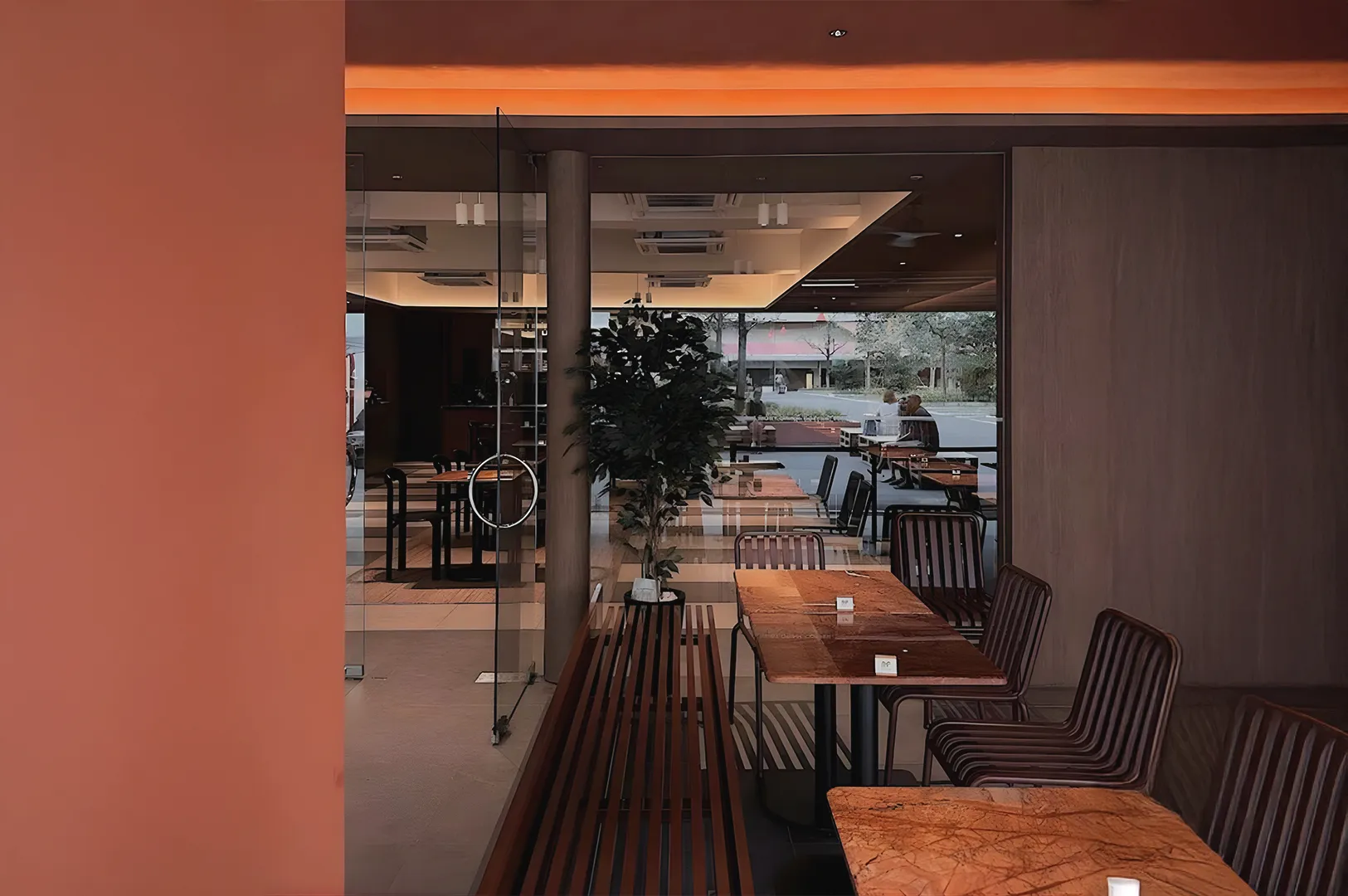
Back tables. Half-lit corners. Seats facing walls instead of windows. These are the places where the noise softens, where conversations stop performing. Where people forget they are being watched.
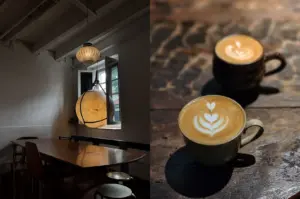
You start to notice different things there—how light fades unevenly across a wooden table, how shadows stretch longer than they should, how a space breathes when no one is trying to fill it.
Why These Seats Are Always Empty
They’re not uncomfortable. They’re just honest.
These corners don’t flatter you. They don’t offer the perfect angle for photos or the illusion of energy—unlike highly designed spaces such as Onyx Coffee Lab.
They ask you to sit with less—less light, less distraction, less validation.
Most people avoid that.
But that’s exactly why they matter.
How to See a Cafe Properly
If you want to understand a cafe, don’t sit where it performs.
Sit where it forgets.
Give your eyes time to adjust. Let the darkness reveal its layers slowly. Watch how people move around you, not toward you. Notice what the cafe becomes when it thinks no one is paying attention.
That’s when it tells the truth.
I don’t go to cafes to be seen.
I go to disappear just enough to see everything else.